Fault-Line Adventure

 Topics Covered 

This trip dossier contains all the information you require for booking this trip. Please print off and read carefully before booking.

Length 8 days
Grade
C (River crossings and some uneven terrain.)
Start Christchurch Visitor Centre, Cathedral Square West, 8:00am
Finish Queenstown 7:00pm
Departs Nov 2010: 20
Dec 2010: 4

Jan 2011: 8, 29
Feb 2011: 26
Mar 2011: 19
Apr 2011: 9 - see Departures & Availability
Prices Period 1 Jun 10 - 31 Jul 11
 
StandardNZ$3,250
Including single supp.NZ$4,045
Extra Costs 2 evening meals

Minimum 3 participants

Maximum 11

Back to top

Itinerary

Why is it called the Fault-line Adventure?
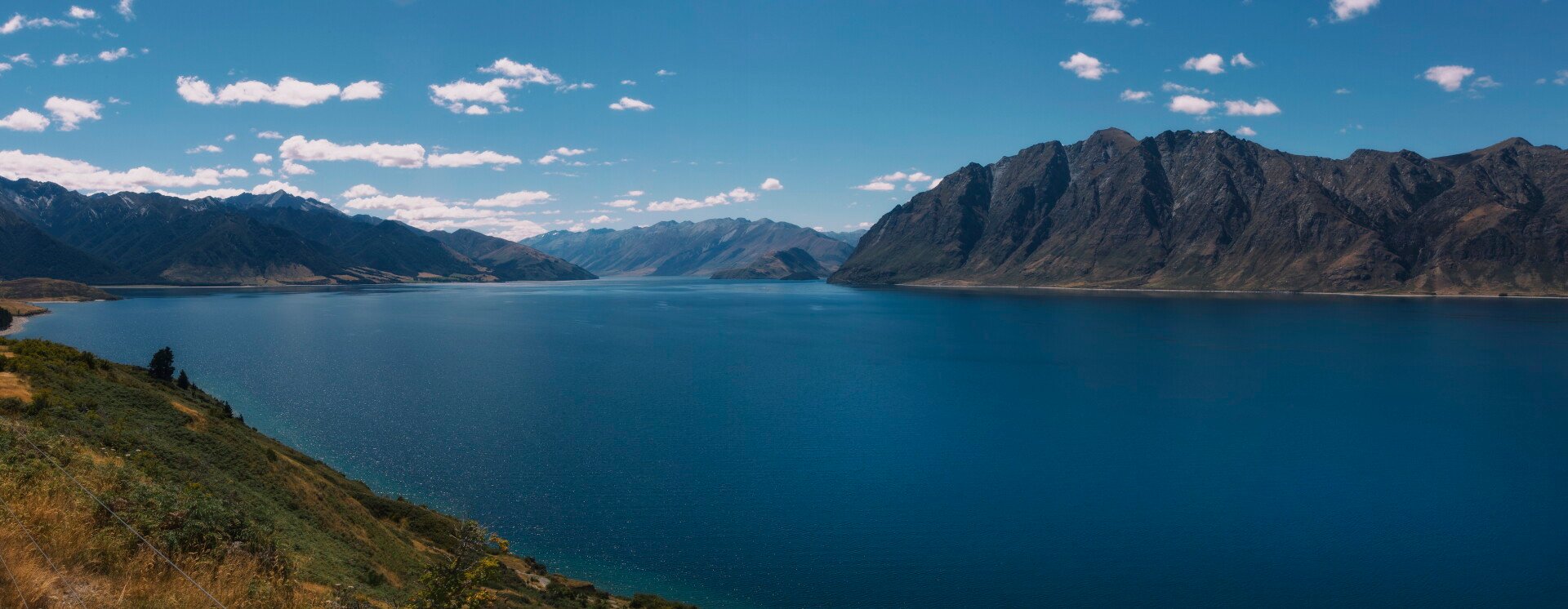
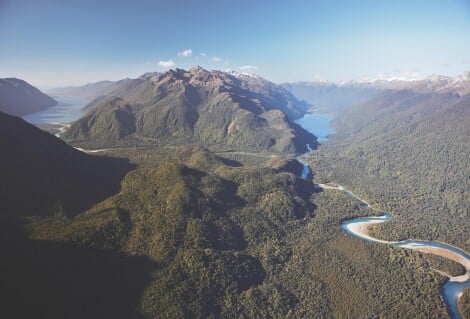
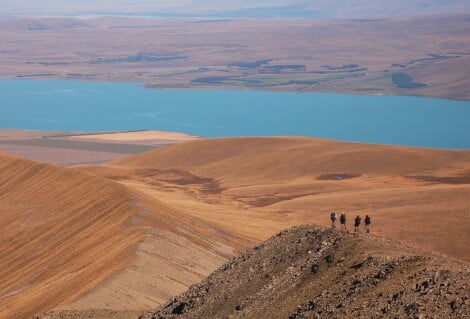
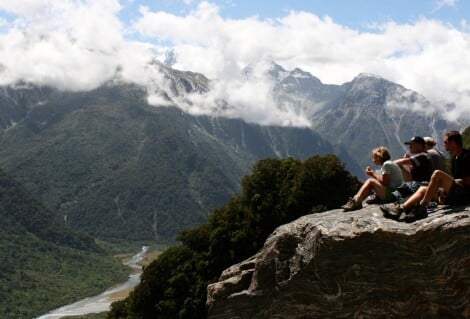
New Zealand did not become one of the most diverse and dramatic landforms on earth by accident. Where New Zealand is situated happens to be right over a collision zone of two of the largest slabs of the earth's crust forming a fault-line. Over millions of years this collision has created the Southern Alps, which are the backbone of the South Island. During this 8-day adventure, we actually cross over the fault-line twice, once when we cross the alps near Arthur's Pass and again on day 6 on our way to Haast Pass. Don't worry if you are a bit confused by plate movement, collision zones and fault-lines because you are guaranteed to love the amazing play ground that it has created for us, and you will see it from so many different perspectives whether it be hiking through deep limestone canyons, kayaking across pristine lagoons, jetboating down the Wilkin River or from the air in a helicopter above the mountains of Mt Aspiring National Park. This is a trip of a lifetime, the perfect combination of adventure and incredible scenery with quality character accommodation to relax in at the end of the day.

This tour runs Saturday to Saturday, so you can squeeze it into one week of annual leave.

Day 1.

Saturday. Tour begins Christchurch - 3 hours hiking/1 hour cave exploring
The tour begins in Christchurch, which is also known as the Garden City. After a briefing from your guide we are soon heading across the Canterbury Plains towards the Southern Alps which form the backbone of the South Island. Our adventure begins in earnest when we arrive at Cave Stream Scenic Reserve. After exploring this bizarre yet beautiful landscape of limestone bluffs and outcrops we follow Cave Stream through an amazing subterranean canyon. Enjoy a picnic lunch once we are above ground. In the afternoon we hike up the nearby ‘Bealey Spur’ for expansive views of the Southern Alps. Then it’s a short drive through to the Arthur’s Pass Chalet where we spend the night. There is time in the afternoon to explore this quaint little alpine village and relax in the spa at the Chalet. Enjoy a delicious 3-course meal served at the Chalet restaurant.

Day 2.

Sunday. Arthurs Pass - 2 hours hiking
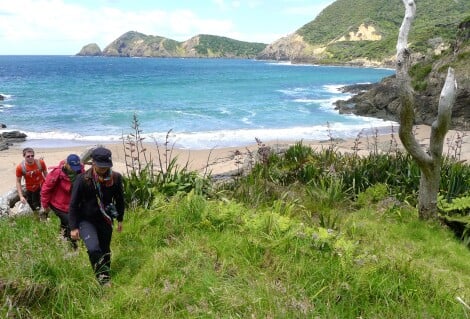
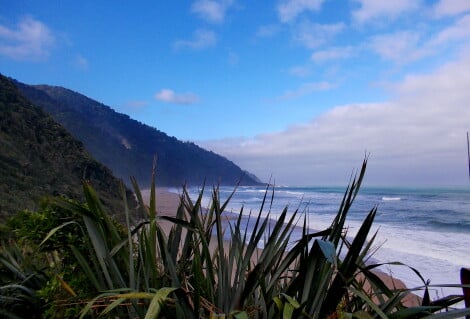
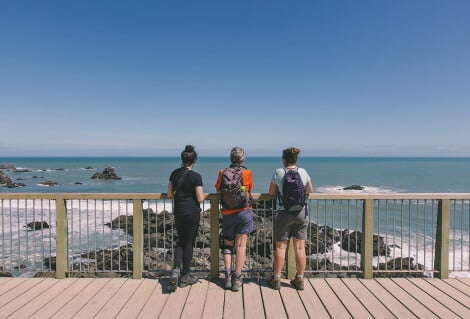
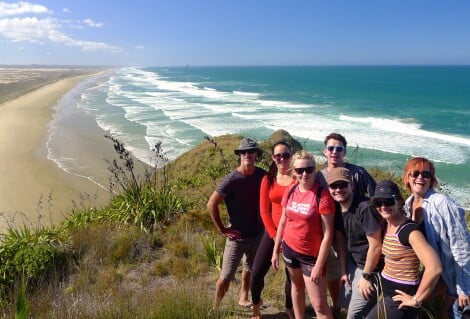
This morning there is the opportunity to go on a hike to nearby waterfalls or have a relaxing morning at the Chalet before we drive through to Lake Brunner (crossing the fault-line) for a picnic lunch and a swim. In the afternoon we take a hike along the wild and windswept West Coast near Punakaiki, exploring remote beaches and sea caves that were used by early Maori. At high tide we check out the famous Pancake Rocks, 30 million year old towers of limestone with spectacular blowholes. Accommodation tonight is nestled in the bush with spectacular views over the Tasman Sea.

Day 3.

Monday. Punakaiki, Paparoa National Park - 7 / 8 hours hiking
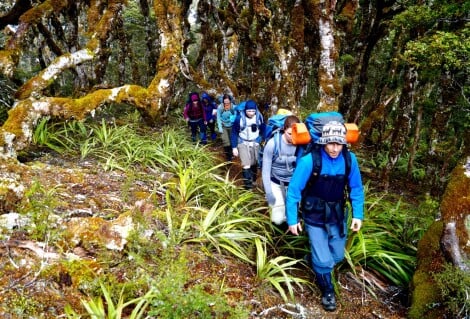
Today we hike one of the most beautiful day hikes in New Zealand. We are dropped off at Bullock Creek at an old abandoned farm. From here we follow the Inland Pack Track through luxuriant lowland rainforest, stopping for lunch on the banks of Fossil Creek. There is time to relax and feel dwarfed by the towering Rimu and Kahikatea trees, some over 50 metres tall and hundreds of years old. After lunch we continue on until we meet the Fox River Canyon. We follow this deep canyon crossing the river several times (learn river-crossing techniques) until we are met by the minibus on the coastal road. Return to our accommodation. Visit the local pub for dinner.

Day 4.

Tuesday. Okarito, South Westland World Heritage Area - 4 hours kayaking
We drive south today making a brief stop at Hokitika where we stock up on supplies. This town was once known as Capital of the Goldfields. It has become a major centre for pounamu (jade / greenstone) which was prized by the Maori for making jewellery, tools and lethal weapons. We continue on to Okarito, where the rainforest meets the sea. A historic gold-rush town, it is now a sleepy collection of seaside cottages with a permanent population of about 25. Here, we take sea kayaks and paddle out over the Okarito Lagoon, New Zealand's largest unmodified wetland. We explore the river delta, which takes us right into the rainforest. A great variety of bird-life can be seen from Tui and Bellbirds in the forest, to Kotuku (white herons) and Spoonbills on the lagoon. Spend the afternoon/early evening on the beach learning how to prepare a hangi (an underground Maori earth oven). Enjoy the hangi feast sitting around a beach fire, before making a short drive to the township of Fox Glacier where we stay the night.

Day 5.

Wednesday. Fox Glacier - 4 hours hiking
Today we take a hike on the nearby Fox Glacier, one of the most dynamic glaciers in the world and one of the few places where you will see a glacier descending into a rainforest. On this half-day hike we explore seracs, crevasses and ice caves and learn about the fascinating natural history of this area. There is the option of upgrading (extra cost) to a heli hike, where you can walk and explore the upper reaches of the glacier. Tonight you get the opportunity to sample local cuisine at a restaurant of your choice. Spend a second night at the local B&B.

Day 6.

Thursday. Haast Pass - 1 hours hiking
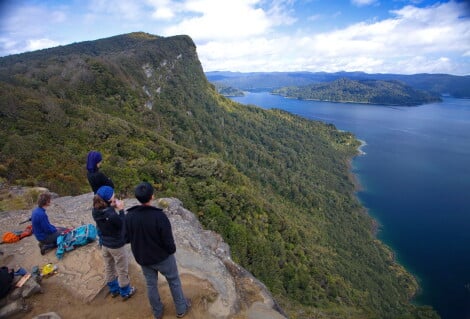
We start the day with a leisurely hike around Lake Matheson - on a clear day the Southern Alps are perfectly reflected on the lake - a photographers paradise. We then continue south stopping at a local salmon farm to "pick up dinner". Today we cross back over the 'fault-line'(Southern Alps) to the eastern side and stay in Makarora. Take an afternoon hike or relax at the spacious homestead. Enjoy a delicious meal of fresh salmon.

Day 7.

Friday. Mount Aspiring National Park - 5 hours hiking
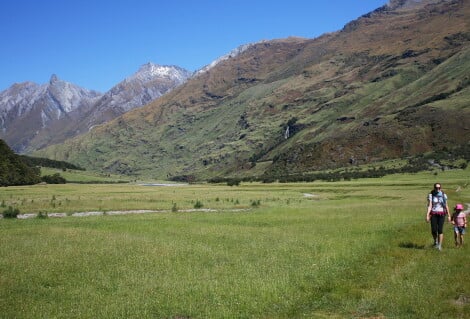
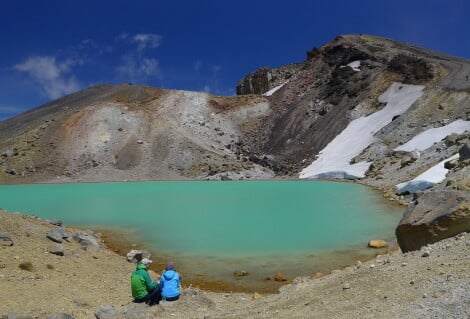
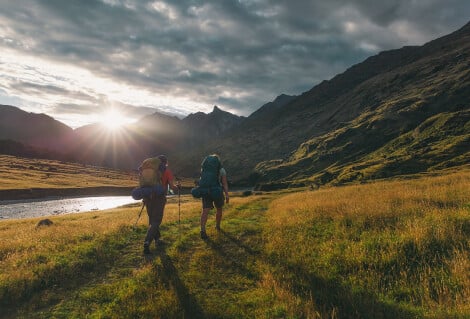
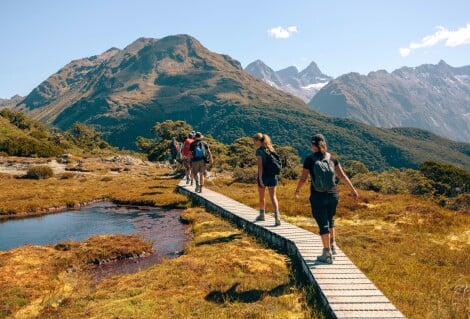
We start the day by boarding a helicopter for an extraordinary flight around the ice carved mountains and glaciers of the World Heritage, Mount Aspiring National Park. We land in the remote Siberia Valley. Home tonight is a classic backcountry hut that we will share with other hikers. You can either spend the day relaxing on the porch gazing at the mountains or go on an exhilarating hike up to Lake Crucible, a gorgeous alpine lake set amongst huge snow capped mountains.

Day 8.

Saturday. Tour ends in Queenstown - 3 hours hiking
We spend the morning hiking down to the Forks where we meet the jetboat, which will take us on a spectacular journey down the Wilkin River back to Makarora. We drive through to Wanaka, to a local vineyard for a celebratory wine and then it's just a short drive over the Crown Range into the alpine resort town of Queenstown. Here the trip concludes after 8 days of spectacular hikes, peaceful kayaking, exhilarating helicopter and jetboat trips coupled with relaxing accommodation.

The trip concludes in Queenstown. You may wish to take advantage of a free shuttle return to Christchurch on Day 9 or you can stay in Queenstown to enjoy the endless activities this town offers. Should you wish to take advantage of the free return to Christchurch on Day 9 please make this known on booking.

Please note: We do not recommend people book any onward travel on the evening of our arrival in Queenstown. There is a very small chance we could get a wild storm with heavy rain that keeps us up in the Siberia Valley for an extra night. This is highly unlikely, as our guides will be studying the long-range weather forecasts and may take you to a different area if the weather isn't suitable. However, we would hate for you to miss your flight, so it is best to plan a day in Queenstown after the trip and then fly out the next day just in case.

Back to top

Grading & Fitness

Grade C
Up to 6 hrs of physical activity per day.
At times carrying a backpack of 5-6kgs.
Tracks generally in good condition.
Altitude gains of up to 600m on harder days.
No hiking experience necessary.
Reasonable standard of fitness required.

You need to be reasonably fit and enthusiatic. We will be taking you into real wilderness areas so at times the tracks will be slippery, rough and we will need to cross rivers.

The itinerary is flexible enough to provide time to relax or to present you with challenges. We recommend you do some physical preparation: brisk walking, jogging or cycling a couple of times a week during the month or so before you arrive as this will enable you to make the most of your trip.

Back to top

Guides & Safety

Your enthusiastic New Zealand guides have a thorough knowledge of natural history and will enjoy sharing and discussing this with you. Each has over a decade of outdoor experience; their knowledge of the back-country and weather will ensure a safe trip. In addition, they are all trained in mountain first aid. The guides enjoy meeting and getting to know new people and have the skills to make everybody feel part of the group.

Mark Brabyn (MSc) founded Hiking New Zealand in 1993 (then known as NZ Nature Safaris). He has a Masters in zoology and did research on whale strandings for his thesis. He has assisted with conservation projects around the world including humpback whales in Tonga, southern right whales in the Sub-Antarctic and elephants and chimpanzees in Uganda. Mark has been active in the outdoors all his life, and his interests include tramping, sea kayaking, scuba diving and mountain biking.

Daniel Murphy studied agricultural science and has worked in the tourism industry for several years including in Spain where he managed an adventure lodge. Dan is the General Manager for Hiking New Zealand.

Andre Booth studied Botany at the Christchurch Botanic Gardens, worked as a Park ranger and lived in the Canadian Rockies. He enjoys snowboarding, mountain biking, rock climbing, tramping, rugby, cricket and boutique outdoor New Zealand music festivals.

Glenys Erskine is a local South Islander, from Tuatapere. She will most likely take your booking when you call or email our office - but also guides, and will make sure you get to some secret locations in her home town. She is passionate about the outdoors and has travelled and lived in several countries around the world.

Chris Steel (BVSc) worked as a vet for 20 years before becoming a hiking guide. He is a keen tramper and mountain biker and has a talent for backcountry cooking.

Jaron Frost has worked as an outdoor instructor in NZ and the USA. He enjoys whitewater kayaking, rock climbing and surfing.

Juanita Miln spent five years in the NZ Army and travelled to Antarctica. She has a National Certificate in Outdoor Recreation. Juanita is a keen tramper and mountaineer.

Other guides may be used during peak periods. Please be gentle with your guides. Good guides are hard to find.

Back to top

What to take

New Zealand's weather is changeable and we can experience extremely cold weather at any time of year, especially in the mountains. Our huts/camps vary in altitude from sea level to over 1000 metres. It is necessary to have warm clothing. Jeans are not suitable for hiking.

Essential Items

  • hiking boots (not shoes)
  • backpack* (at least 60 litres capacity for overnight hike)
  • backpack liner* (plastic bag)
  • daypack
  • 3-season sleeping bag*
  • waterproof raincoat* (gortex or similar)
  • warm fleece/wool jersey* (not cotton)
  • shorts for hiking
  • polypro/thermal underwear* - top & and long-johns
  • 3 pairs of socks (they get wet)
  • warm hat or balaclava
  • sunscreen and sunglasses
  • drink bottle (1 litre)
  • spare shoes or sandals
  • flashlight/head lamp
  • insect repellent (sandflies like foreign blood)
  • spare set of clothes

    Recommended items:

    gaiters*, binoculars, gloves/mittens, earplugs, walking poles*, camera.

    Equipment Hire:

    * These items are available for use free of charge. Please request at time of booking.

    Back to top

    Transport

    We travel in a 10 or 12 seat minibus towing a trailer with equipment and your luggage. All vehicles have a public address system, and a stereo with a variety of music. We also carry a range of natural history reference books. Time spent driving is kept to a minimum, we average about 2 hours per day and we drive on a range of roads - sealed and unsealed. We make the most of being small and flexible and often find ourselves stopping to check the unexpected!

    Back to top

    Food

    All the meals are included in the price, except dinner on day 3 and day 5 - this will give you the opportunity to get out and try the local cuisine. The first night we eat at the local restaurant and your guide prepares the dinners on nights 2,4,6 and 7. You may be asked to help with the preparation or washing up. Don't let this put you off though. It's part of our philosphy to get everyone involved as we believe this makes the whole experience more fun and rewarding! The night where we have the hangi (moari earth oven) is a real team effort and the guide will need your help collecting firewood, collecting rocks and of course eating it!

    Meals will be healthy and wholesome and include lots of fresh produce The trailers we tow are customised with a cooking area and fold down table, which is great for preparing picnics at all those secret places we will take you. Breakfasts are usually continental style, but don't be surprised if you wake up to the smell of fresh pancakes as well!

    Back to top

    Accommodation

    Most of the time we will be staying at locally owned B&B's. If you are travelling with a partner you can request a double/queen room, otherwise the rooms will be twin share. Most of the rooms have ensuite bathrooms. Single supplements are available. We try and stay away from big hotels and keep to the smaller friendlier places with lots of character! On the last night you will sleep in bunks in a classic back country hut, these huts can't be booked in advance so we will be sharing it with other users, but that just adds to the fun of it. You will need to have a sleeping bag for this night, but you can hire one off us if you need to.

    Back to top

    Questions

    Does it matter if I am travelling alone?
    Not at all! This trip is great for getting to meet like-minded people while having a great adventure holiday at the same time. If you need your solo time, you can get this as well. All the activities are optional, so if you want to just relax and enjoy the view that's no problem!

    What other trips can I do?
    Check out our Hiking Safaris, it is possible to join our Secret South Safari in Queenstown after finishing the Fault-line Adventure.

    What do I do with my valuables (passport, airline tickets, money, etc) while we are hiking?
    Keep them with you in your hiking pack. We pack all those things in plastic bags to keep them dry and keep them with us while we are hiking.

    Can I be picked up at my hostel or accommodation?
    No. We try to leave the city early so we can spend more time in the wilderness. If we had to drive around the city picking everyone up it would delay our departure. It is much easier for everyone to meet at the Christchurch Visitors Information Centre, in Cathedral Square - and it doesn't cost much to get there on a taxi, shuttle or bus (or walking!).

    I'm a vegetarian - is that a problem?
    Not at all. We usually have vegetarians in the group. All the guides are familiar with vegetarian cooking. We also have lots of excellent vegetarian recipes. Sometimes the whole group will cook vegetarian or we may cook a separate vegetarian meal. The hangi is always a mixture of vegetarian and meat foods.

    What is the weather going to be like?
    New Zealand can be unpredictable! We have a maritime climate so conditions in the mountains can change quite rapidly. It can snow any time of year in the mountains. Generally though you can expect daytime temperatures around 25 deg C (75 Deg F) in mid summer and 15 Deg C (65 Deg F) in the spring and autumn. It is best to be prepared for the worst conditions we are likely to expect - see the 'What To Take' section. We may get some rain on the trip so a good waterproof raincoat is essential.

    Who is in my group?
    A small group (maximum 11 people), with a range of ages, nationalities and work backgrounds. Seventy percent of people are between 20 and 40, though we have had people from 17 to 72. On average, half are women and half are men. Everyone shares an enthusiasm for outdoor adventure and an appreciation of nature.

    Do I really need boots and will they get wet?
    Yes and yes! Good hiking boots are essential to protect your feet and provide support. We hike through rough terrain, sometimes off-track. We frequently have to cross rivers with our boots on - again this protects our feet from getting cut on sharp rocks. If we had to take our boots off every time we crossed a river we'd take forever. A person who recently completed a safari had this to say:- 'My most favourite part of the safari was the discovery that walking in soggy boots and socks after crossing rivers is quite comfortable'.

    How far in advance do I need to book?
    The sooner the better for safaris departing in the peak season (November to April). We get many advance bookings so it is important to book early to avoid disappointment. Availability for our trips are updated regularly on our departure dates page.

    What type of gear should I buy?
    If you intend to do a lot of hiking then it is worth buying quality equipment - good leather hiking boots and hiking clothing. If you think you might not do any more hiking after safari then you could buy cheaper alternatives - just remember that it won't last as long or do the job as well.

    What if I can't keep up with the rest of the group?
    We hike together as a group, stopping often for snacks and a good lunch. Some activities are optional if you feel like having some time out.

    Are we going to encounter dangerous animals?
    New Zealand does not have any snakes, bears, lions or alligators. We have a small poisonous spider called the katipo that is so rare that it was recently made a protected species. At certain times of the summer and autumn, wasps can be a problem in some of our beech forests. If you are allergic to their sting, then make sure you carry medication, and tell your guide about it at the beginning of the safari. Otherwise, it is great to climb through the bush and lie in the grass without a thing to worry about.

    How much luggage can I bring?
    As space is limited in the trailers, we ask that you do not bring more than 120 liters of luggage, which is about one large backpack and a day pack.. If you have more we suggest you forward it to your accommodation in Queenstown for the end of the trip.

    Do I need travel Insurance?
    We strongly recommend it. Insurance will give you piece of mind in the unlikely event that you injure yourself or become ill and are unable to start the trip. Hiking New Zealand cannot be held liable for any damage, theft or loss of any of your personal equipment.

    Will I have access to laundry while on the trip?
    Yes. Most places we stay have laundry facilities.

    Back to top

    Additional Costs

    Included: The great thing about the Fault-line Adventure is that just about everything is included. All guiding, glacier walking, kayaking, helicopter flights, accommodation and nearly all the meals. The only thing you need money for is the two meals not included, alcohol, and buying souvernirs (you can never have too many tee shirts!).

    Not included: On nights 3 and 5 dinner is not provided. On night 3, we go to the local pub which serves good hearty meals at about $15 - $20 per main. On night 5, there is a selection of restaurants to choose from in the town of Fox Glacier.

    Back to top

    Booking Conditions

    Payment:

    For bookings 4 or more months in advance of the departure a 25% deposit can be paid with the remainder due 65 days prior to your trip. For bookings within 4 months of the departure, full payment is required.

    Transferring:

    You can transfer to another safari/ departure as long as it is more than 20 days prior to your pre-booked departure. Transfers within 20 days will require a cancellation and new booking. All transfers are subject to seat availability.

    Cancellations:


    More than 20 days prior to departure - 80% refund if full amount paid
    20 to 10 days prior to departure - 50% refund
    Less than 10 days prior to departure - NO REFUND
    Deposits are not refunded

    Travel Insurance:

    We strongly recommend that you have travel insurance. We ask you to fill out a disclaimer before you begin a Hiking Safari. You must follow the instructions of your guide at all times.

    Medical Conditions:

    When you book you must notify us of any medical condition, medical history, or medications that you are on. In particular, asthma, diabetes, heart conditions, allergies to wasp/ bee stings and food allergies.

    Client Responsibilities:

    With any outdoor activity, there is an element of risk. Hiking New Zealand operates in remote and mountainous areas. Risks in undertaking this activity could include hypothermia due to adverse weather conditions, personal injury, or property damage from hiking over rugged and uneven terrain.

    The staff and management of Hiking New Zealand take all practicable steps to identify and minimise potential dangers. However you must follow our instructions (and use the safety equipment provided) at all times. Adults accompanying any person under the age of 18 must ensure that the underage person follows our instructions at all times. You must release or indemnify Hiking New Zealand and our staff against any liability we incur to anyone else, resulting from your failure to follow our instructions or the failure of any person accompanying you under the age of 18 to follow our instructions.

    Hiking New Zealand and their guides reserve the right to make any alterations to the itinerary in the interest of safety, comfort or unforeseen circumstances due to causes such as weather, illness, or misadventure.

    Hiking New Zealand operates in remote areas. Every reasonable endeavour will be made to keep to published schedules but no guarantee is given. Hiking New Zealand will not be held liable for costs incurred by change, delay, or the missing of connecting services.

    Hiking New Zealand reserves the right to exclude a person from a tour at anytime if in the opinion of the guide or operator that person may be likely to risk the health, safety or comfort (including unsociable behaviour) of other clients, him or herself, or the environment. In such circumstances Hiking New Zealand will not be obliged to offer any refund or transfer of ticket.

     
  • Brochure, Newsletter and Facebook links Qualmark Endorsed Visitor Service and Tourism Industry Association Member
    Free Brochure Join Newsletter Facebook Community Qualmark Endorsed Visitor Service Tourism Industry Association Member Tourism Distinction Award Winners